
Your skid steer is the heartbeat of your job site. Whether you’re grading a foundation in Houston, clearing snow in the Panhandle, moving materials on a Dallas demolition project, or maintaining turf in Austin, every hour of downtime costs you money. And nothing kills productivity faster than a tire failure.
At Heavy Duty Tires, we’ve spent decades helping operators like you choose the right skid steer tires, maintain them for maximum life, and get back to work fast. From pneumatic to solid, foam-filled to rubber tracks, we’ve seen what works—and what doesn’t—across every terrain and application. Here’s everything you need to know to keep your skid steer rolling and your operation profitable.
Types of Skid Steer Tires
Not all skid steer tires are created equal. The right choice depends entirely on your application, terrain, and operating conditions. Here’s a breakdown of the most common types.
Pneumatic Skid Steer Tires
Pneumatic (air-filled) tires are the most common choice for general construction, landscaping, and agricultural applications. They offer excellent traction, a comfortable ride, and good flotation on uneven terrain.
-
Best for: General construction, landscaping, dirt work, agriculture
-
Pros: Superior cushioning, excellent traction, cost-effective
-
Cons: Puncture risk from nails, rebar, or sharp debris
-
Lifespan: 500–1,500 hours depending on conditions
Solid Skid Steer Tires
Solid tires are exactly what they sound like—solid rubber with no air chamber. They’re virtually puncture-proof, making them ideal for demolition sites, scrap handling, and environments where sharp debris is unavoidable.
-
Best for: Demolition, scrap yards, recycling facilities, heavy industrial
-
Pros: Puncture-proof, zero downtime from flats, extremely durable
-
Cons: Rougher ride, heavier, higher initial cost
-
Lifespan: 1,500–3,000+ hours
Foam-Filled Skid Steer Tires
Foam-filled tires start as pneumatic tires but are filled with a polyurethane foam that replaces the air. They offer the ride characteristics of pneumatic tires with the puncture resistance of solids.
-
Best for: Construction sites, industrial settings, mixed-use environments
-
Pros: Flat-proof, stable, better ride than solids
-
Cons: Heavier than pneumatic, stiffer ride, higher cost
-
Lifespan: 1,500–2,500 hours
Heavy-Duty Off-Road Tires
These tires feature aggressive tread patterns designed for maximum traction in mud, rock, and loose soil. They’re built with tougher rubber compounds to resist cuts, punctures, and abrasion.
-
Best for: Rough terrain, forestry, pipeline work, oilfield
-
Pros: Superior traction, puncture-resistant compounds
-
Cons: Faster tread wear on hard surfaces
-
Lifespan: 400–1,000 hours depending on use
Turf Tires
Turf tires are designed with a smooth, wide tread pattern that minimizes ground pressure. They’re ideal for landscaping, golf courses, and any application where you need to avoid damaging sensitive surfaces.
-
Best for: Landscaping, sod farms, golf courses, nurseries
-
Pros: Low ground pressure, won’t damage turf
-
Cons: Limited traction on hard or muddy surfaces
-
Lifespan: 800–1,500 hours
Rubber Tracks
For skid steer loaders equipped with track systems, rubber tracks provide excellent flotation and low ground pressure. They’re ideal for soft ground, pavement, and sensitive surfaces.
-
Best for: Soft terrain, pavement work, landscaping
-
Pros: Superior flotation, low ground pressure
-
Cons: Less durable on abrasive surfaces, higher replacement cost
-
Lifespan: 800–1,200 hours
How to Choose the Right Skid Steer Tires
Selecting the right tire for your skid steer isn’t complicated when you focus on the factors that matter most. Here’s what to consider.
Terrain
Your primary operating surface is the biggest factor in tire selection.
-
Rocky terrain: Solid or foam-filled tires for puncture protection
-
Mud and soft soil: Aggressive pneumatic tires with deep tread
-
Paved or concrete: Turf tires or rubber tracks to avoid damage
-
Mixed conditions: Pneumatic with cut-resistant compounds or foam-filled
Load Capacity
Consider both the weight of your machine and the loads you’re carrying. Heavier loads require tires with higher load ratings and stiffer sidewalls. For extreme loads, solid or foam-filled tires offer the best stability.
Usage Frequency
For machines running 8–10 hours daily, durability becomes critical. Solid or foam-filled tires may justify their higher cost through reduced downtime. For occasional use, quality pneumatic tires often provide the best value.
Machine Compatibility
Not all skid steer tires fit every machine. Check your manufacturer’s specifications for:
-
Tire size (e.g., 12-16.5, 10-16.5)
-
Load rating requirements
-
Rim compatibility
-
Clearance for larger sizes
Weather Conditions
Texas operators know that heat is a tire killer. Look for tires with advanced rubber compounds designed to resist heat buildup. For cold-weather operation, ensure your tires maintain flexibility in low temperatures.
Skid Steer Tire Maintenance Tips
Proper maintenance is the single biggest factor in extending tire life. Here’s what every operator should do.
Regular Inspection for Wear & Tear
Inspect your tires daily or at the start of each shift. Look for:
-
Cuts, punctures, or embedded debris
-
Uneven tread wear patterns
-
Sidewall damage or bulging
-
Missing chunks of rubber
Catch problems early, and you can often repair them before they become catastrophic failures.
Correct Tire Pressure
For pneumatic tires, pressure is everything. Under-inflated tires:
-
Overheat and fail prematurely
-
Wear unevenly on the shoulders
-
Reduce fuel efficiency
-
Increase risk of sidewall damage
Check pressure daily when tires are cold. Follow manufacturer recommendations—not the max pressure listed on the sidewall.
Cleaning & Rotation
Clean your tires after working in corrosive materials like concrete, chemicals, or salt. These substances can degrade rubber over time.
Rotate tires between positions to ensure even wear. For machines with significant weight differences between front and rear, rotation is especially important.
Repairing Minor Damages
Small cuts or punctures in pneumatic tires can often be repaired if caught early. Don’t ignore them—a minor cut can quickly become a major failure. For solid or foam-filled tires, damage is typically permanent, so prevention is key.
Signs You Need Skid Steer Tire Replacement
Knowing when to replace a tire can prevent unexpected failures that cost you time and money. Look for these warning signs.
Worn Tread
When tread depth falls below 20% of original, traction drops significantly. For pneumatic tires, look for wear bars—when they’re flush with the tread, replacement is due. For solids, monitor depth until the rubber approaches the wheel.
Visible Cracks or Cuts
Sidewall cracks indicate aging rubber that’s lost its flexibility. Deep cuts that expose cords or foam are a safety risk. Don’t wait for a blowout.
Uneven Wear Patterns
Scalloping, cupping, or one-sided wear suggests alignment issues, improper pressure, or mechanical problems. Address the underlying cause before installing new tires.
Reduced Performance
If your machine is struggling for traction, sliding excessively, or bouncing more than usual, your tires may be telling you it’s time.
Benefits of Professional Skid Steer Tire Services
Partnering with a professional tire service provider like Heavy Duty Tires delivers advantages that go far beyond the tire itself.
On-Site Service Saves Downtime
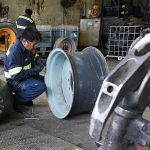
When a tire fails, getting your machine back up fast is priority one. Our mobile service technicians come to your job site—whether you’re in Dallas, Houston, West Texas, or anywhere across the state—to perform repairs and replacements on location. No towing. No delays.
Expert Installation and Replacement
Proper installation is critical for tire performance and longevity. Our certified technicians have the experience and equipment to mount, balance, and install skid steer tires correctly the first time.
Access to Foam-Filled and Heavy-Duty Options
We maintain a massive inventory of skid steer tires, including specialized foam-filled and solid options that aren’t always available from general tire shops. Whatever your application, we have the right tire.
Fleet Management Programs
For operators managing multiple machines, we offer comprehensive fleet programs including volume pricing, scheduled service, detailed reporting, and proactive maintenance planning. We help you manage your tire investment like the asset it is.
Conclusion
Your skid steer tires are a critical investment in your operation’s productivity and profitability. The right tires, properly maintained, will deliver thousands of hours of reliable service. The wrong choice—or neglected maintenance—will cost you in downtime, frustration, and missed deadlines.
At Heavy Duty Tires, we’ve built our reputation on helping operators like you make informed decisions and keep their fleets running. Whether you need expert guidance on selecting the right tire, fast on-site service for a puncture, or a comprehensive fleet management program, we’re here to help.
For expert skid steer tire service in Texas and nationwide, contact our team today for a free consultation!
Frequently Asked Questions
How often should skid steer tires be replaced?
Replacement intervals vary widely based on tire type, application, and maintenance. Pneumatic tires typically last 500–1,500 hours, while solid and foam-filled options can reach 1,500–3,000+ hours. The best indicator is tread depth—replace when tread is worn to 20% or less of original depth.
What are the best tires for rough terrain?
For rocky, abrasive terrain, solid or foam-filled tires offer the best puncture protection. For muddy or loose conditions, aggressive pneumatic tires with deep tread patterns provide superior traction. Heavy-duty off-road tires with cut-resistant compounds are an excellent middle ground.
Can foam-filled tires be repaired?
Foam-filled tires are virtually puncture-proof, but if they sustain significant damage, repair is generally not possible. This is why proper selection and maintenance are critical—foam-filled tires are a long-term investment that should be matched to the application.
How do I know if my tire pressure is correct?
Always check pressure when tires are cold (before operation). Use a quality gauge and follow the manufacturer’s recommended pressure for your specific machine and tire size. Never exceed the maximum pressure listed on the tire sidewall.
Do you offer skid steer tire installation on site?
Yes. Heavy Duty Tires provides mobile on-site service across Texas and nationwide. Our certified technicians come to your location to perform repairs, replacements, and installations, minimizing downtime and keeping your operation moving.