Your heavy equipment is the backbone of your operation. When a tire fails—whether from a puncture on a demolition site, tread wear from abrasive surfaces, or a blowout on the highway—productivity stops. Choosing the right tire isn’t just about keeping your equipment rolling; it’s about maximizing uptime, protecting your budget, and keeping your crews safe.
At Heavy Duty Tires, we’ve spent decades helping contractors and fleet managers make the right choice. From skid steers and forklifts to loaders and excavators, we understand the real-world demands of every job site. This comprehensive guide covers everything you need to know about how to choose heavy equipment tires, from understanding different tire types to extending their lifespan with proper maintenance.
—
Heavy Equipment Tire Types Explained
Not all tires are created equal. The right choice depends entirely on your application, terrain, and operating conditions. Understanding construction equipment tire types is the first step to making an informed decision.
Pneumatic (Air-Filled) Tires
Pneumatic tires are the most common choice for general construction, landscaping, and uneven terrain. They offer excellent traction, a comfortable ride, and good flotation on soft ground. However, they are vulnerable to punctures from nails, rebar, or sharp debris. Proper inflation is critical for performance and longevity.
Best for: General construction, landscaping, agriculture, uneven terrain.
Solid Tires
Solid tires are virtually puncture-proof, making them ideal for demolition sites, scrap handling, recycling facilities, and environments where sharp debris is unavoidable. They eliminate downtime from flats and offer extremely long tread life. The trade-offs? A rougher ride and higher initial cost. Understanding solid vs pneumatic tires helps you decide based on your job site conditions and priorities.
Best for: Demolition, scrap yards, recycling facilities, heavy industrial applications.
Foam-Filled Tires
Foam-filled tires start as pneumatic tires but are filled with polyurethane foam that replaces the air. They offer the ride characteristics of pneumatic tires with the puncture resistance of solids. Foam filled tire benefits include zero downtime from flats, better stability, and a smoother ride than solids. Ideal for construction sites and industrial settings where punctures are a concern.
Best for: Construction sites, industrial settings, mixed-use environments where punctures are a risk.
Rubber Tracks
For compact track loaders and excavators, rubber tracks offer superior flotation and low ground pressure. They are ideal for soft ground, landscaping, and working on sensitive surfaces like pavement or finished lawns. A good rubber track maintenance guide includes regular cleaning, tension checks, and inspection for cuts or tears. While they provide excellent traction, they can wear faster on abrasive surfaces like concrete or rock.
Best for:Soft ground, landscaping, pavement work, sensitive surfaces.
—
How to Choose Heavy Equipment Tires: Key Factors
Selecting the right tire for your heavy equipment requires evaluating several key factors. This heavy duty tire buying guide will walk you through the decision process.
1. Evaluate Your Terrain
Rocky terrain: Solid or foam-filled tires for puncture protection.
Muddy or soft ground:Pneumatic tires with deep tread or rubber tracks for flotation.
Paved or concrete surfaces: Smooth solid tires or rubber tracks to minimize damage.
Mixed conditions: Pneumatic tires with cut-resistant compounds or foam-filled options.
2. Consider Your Application
Demolition and scrap handling: Solid or foam-filled tires for maximum puncture protection.
Warehousing and indoor operations: Smooth solid or polyurethane tires for floor protection.
General construction: Pneumatic or foam-filled tires depending on debris risk.
Landscaping:Turf-friendly pneumatic tires or rubber tracks.
3. Match Load Capacity and Machine Specs
Always check your equipment manufacturer’s specifications for load ratings and tire size requirements. Heavier loads require tires with higher load capacities and stiffer sidewalls. For extreme loads, solid or foam-filled options offer the best stability and durability. This forklift tire selection guide applies equally to loaders, skid steers, and other heavy equipment.
—
Solid vs Pneumatic Tires: A Detailed Comparison
Understanding solid vs pneumatic tires helps you make the right choice for your operation.
| Feature | Pneumatic Tires | Solid Tires |
Puncture risk | High | None (puncture-proof) |
Ride comfort | Excellent (air cushioning) | Rougher |
Traction | Excellent | Good |
Durability| Good (puncture dependent) | Excellent (long tread life) |
Initial cost | Lower | Higher |
Downtime risk | Moderate (flats possible) | Minimal (no flats) |
Best for | General use, uneven terrain | Harsh environments with debris |
For operations where punctures are a constant threat, solid tires are often the smart choice despite higher upfront cost. For mixed-use applications, pneumatic tires offer better ride quality and traction.
—
When to Replace Skid Steer Tires
Knowing when to replace skid steer tires prevents unexpected failures and keeps your equipment running. Watch for these warning signs:
Tread depth below 20% of original: When tread wears down, traction drops significantly.
Visible sidewall damage or bulging: This indicates structural weakness and risk of failure.
Frequent flats or punctures: If you’re repairing tires constantly, it’s time for new ones or a different tire type.
Loss of traction: If your skid steer is sliding, struggling in mud, or losing grip on slopes.
Uneven wear patterns: This may indicate alignment issues or improper inflation.
For pneumatic tires, regular pressure checks are essential. For solid and foam-filled tires, monitor tread depth and watch for chunks missing from the rubber.
—
Fleet Tire Maintenance Tips for Maximum Lifespan
Proper maintenance is the single biggest factor in extending tire life. Follow these fleet tire maintenance tips to get the most from your investment.
Check Pressure Regularly (Pneumatic Tires)
Under-inflated tires overheat and fail prematurely, wear unevenly, and reduce fuel efficiency. Check pressure daily when tires are cold. Follow manufacturer recommendations—not the max pressure listed on the sidewall.
Perform Visual Inspections
Inspect your tires daily or at the start of each shift. Look for cuts, punctures, embedded debris, uneven wear patterns, sidewall damage, or bulging. Catch problems early, and you can often address them before they become catastrophic failures.
Rotate Tires on Schedule
Rotate tires between positions to ensure even wear. For machines with significant weight differences between front and rear, rotation is especially important. A regular rotation schedule extends the life of your entire set.
Clean After Use in Corrosive Materials
Clean your tires after working in corrosive materials like concrete, chemicals, or salt. These substances can degrade rubber over time.
Store Equipment Properly
When storing equipment, keep tires off the ground and away from direct sunlight, ozone sources, and extreme temperatures. Use tire covers if storing for extended periods.
—
Foam Filled Tire Benefits: Why Choose This Option
Foam filled tire benefits make this option increasingly popular for demanding applications. Here’s why:
Zero Downtime from Flats
Foam filling eliminates punctures entirely. No more mid-shift flats, no more waiting for service trucks, no more lost productivity.
Improved Stability
Foam-filled tires provide more stability than pneumatics, especially under heavy loads. This improves operator confidence and safety.
Smoother Ride Than Solids
While not as cushioned as pneumatics, foam-filled tires offer a significantly smoother ride than solid tires, reducing operator fatigue.
Long Service Life
Foam-filled tires typically last 1,500 to 2,500 hours, depending on application. They outlast pneumatics in puncture-prone environments.
Ideal for High-Risk Environments
Construction sites, demolition, recycling facilities, and any environment with sharp debris are perfect applications for foam-filled tires.
The trade-off? Higher initial cost and heavier weight. But for many operations, the uptime savings more than justify the investment.
—
Forklift Tire Selection Guide: Indoor vs. Outdoor
A proper forklift tire selection guide considers where and how the forklift operates.
Indoor Operations (Warehouses, Factories)
Solid elastic (press-on) tires: Smooth, non-marking, ideal for finished floors.
Polyurethane tires: Excellent floor protection, quiet operation.
Cushion tires: Designed specifically for indoor forklifts.
Outdoor or Mixed-Use Operations
Pneumatic tires:Best for rough surfaces, uneven terrain, and outdoor use.
Foam-filled pneumatic tires: Puncture resistance for outdoor environments.
Solid pneumatic-style tires: Durability of solids with pneumatic tread patterns.
Cold Storage Applications
Special cold-weather compounds maintain flexibility in freezing temperatures. Standard tires can harden and crack in cold storage environments.
When to replace forklift tires: Look for chunking, flat spots, smooth tread (no traction), or visible steel reinforcement.
—
Heavy Equipment Tire Safety Tips
Heavy equipment tire safety tips protect your operators and your equipment. Follow these best practices:
Never Operate on Damaged Tires
A tire with visible damage is a safety risk. Replace or repair before operation.
Use Proper Lifting Equipment
When changing tires, use appropriate jacks, stands, and safety cages. Never work under a machine supported only by a jack.
Train Operators on Inspection Procedures
Every operator should know how to perform a basic tire inspection before starting their shift.
Maintain Proper Inflation
Under-inflated tires overheat and can fail catastrophically. Over-inflated tires are more susceptible to impact breaks.
Match Tires on the Same Axle
Never mix tire types or tread depths on the same axle. This creates stability issues and uneven wear.
Use Safety Cages for Inflation
When inflating tires, especially after repair, use a safety cage or restraining device. Tire explosions can be deadly.
—
Rubber Track Maintenance Guide
A proper rubber track maintenance guide helps extend track life and prevent costly failures.
Clean After Each Use
Remove debris, rocks, and material packed between the track and undercarriage. Buildup increases tension and accelerates wear.
Check Tension Regularly
Too loose: tracks can derail. Too tight: premature wear on tracks and undercarriage components. Follow manufacturer specifications.
Inspect for Cuts and Tears
Small cuts can become large failures. Address damage early before it compromises the entire track.
Watch for Missing Lugs
Missing or damaged tread lugs reduce traction and indicate the track is nearing end of life.
Avoid Sharp Turns on Hard Surfaces
Turning on pavement or concrete grinds down rubber quickly. Minimize sharp turns when possible.
Rotate Tracks (If Applicable)
Some equipment allows track rotation between left and right to even out wear.
—
Frequently Asked Questions About Heavy Equipment Tires
How often should I check tire pressure on heavy equipment?
For pneumatic tires, check pressure daily or at the start of each shift when tires are cold. Under-inflation is the leading cause of premature tire failure and can cost you thousands in unexpected downtime. A good **heavy equipment tire safety tip** is to make pressure checks part of your daily equipment inspection routine.
What’s the best tire for muddy construction sites?
For muddy conditions, pneumatic tires with deep, self-cleaning tread patterns offer the best traction. Look for designs that eject mud and maintain grip. If your equipment is track-compatible, rubber tracks provide excellent flotation and traction in soft, muddy ground. Avoid solid tires in muddy conditions—they lack the tread depth needed for grip.
How long do foam-filled tires last?
Foam-filled tires typically last 1,500 to 2,500 hours, depending on application and operating conditions. They significantly outlast pneumatic tires in puncture-prone environments. The foam fill eliminates flats but does not extend tread life. When the tread wears out, the entire tire must be replaced. However, the uptime savings often justify the higher initial cost.
Can I repair a foam-filled tire?
Generally, no. Foam-filled tires cannot be repaired like pneumatic tires. If damaged, the entire tire must be replaced. This is why proper selection and maintenance are critical—foam-filled tires are a long-term investment matched to harsh environments.
Do you offer tire installation for heavy equipment?
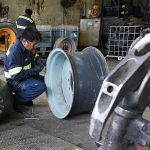
Yes. Heavy Duty Tires provides professional installation services for all heavy equipment tires, including forklifts, skid steers, loaders, and excavators. Our technicians have the experience and equipment to handle even the largest tires safely and efficiently. Contact us for scheduling and pricing.
—
Why Heavy Duty Tires Is Your Trusted Partner
At Heavy Duty Tires, we’re more than a supplier—we’re a strategic partner dedicated to your uptime and profitability. With decades of experience, a nationwide footprint, and an extensive inventory of premium tire solutions, we help you select, maintain, and replace tires to keep your fleet running.
Our commitment to sustainability, including tire recycling and foam fill with recycled materials, means you can trust us for environmentally responsible solutions as well.
Need help choosing the right tires for your heavy equipment? Contact our experts today for personalized guidance.
—